

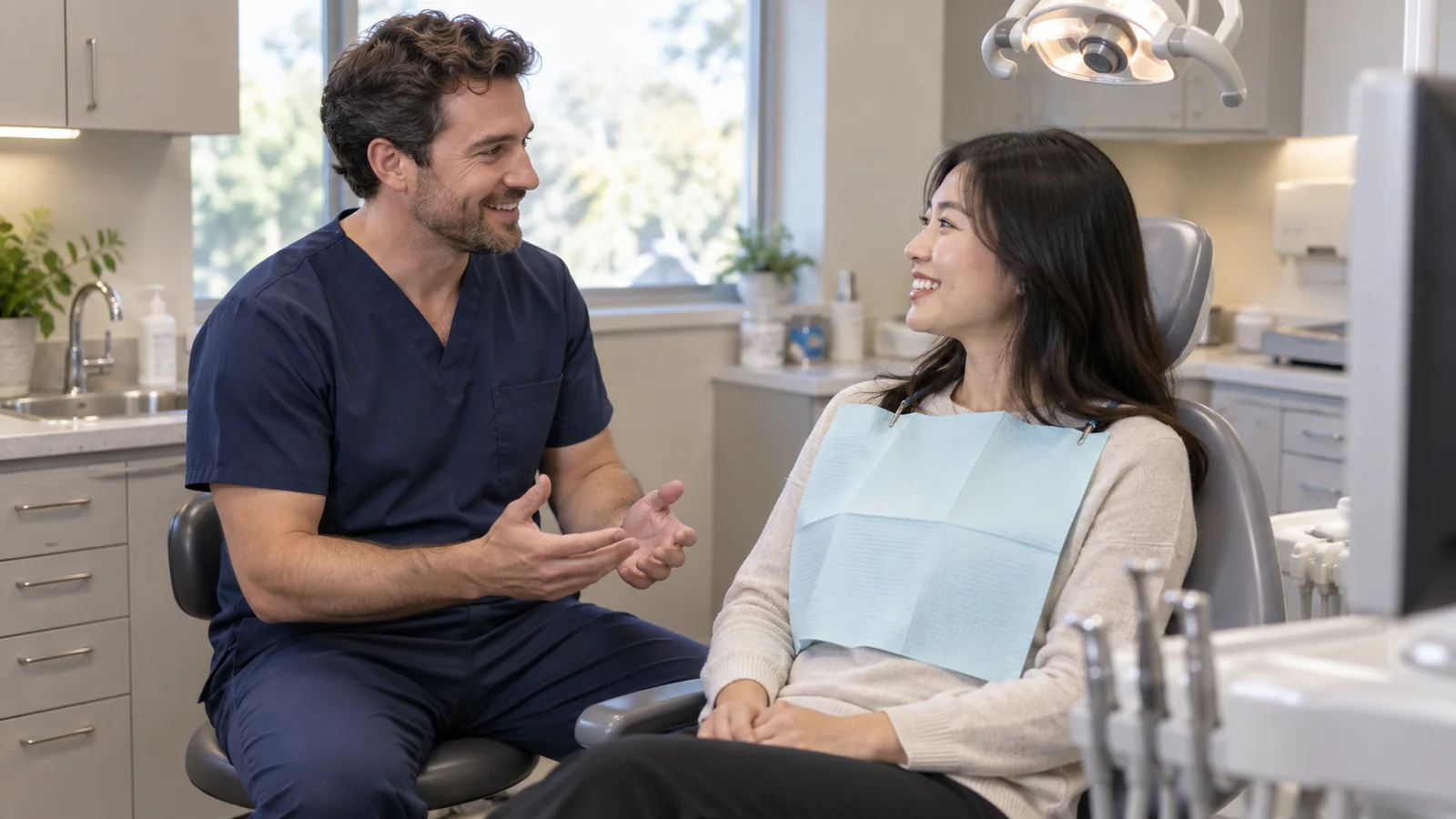
A new patient dental exam usually begins with a conversation about your health, dental history, symptoms, and goals. The dental team may then assess your teeth, gums, bite, existing dental work, and other oral tissues. X-rays or other diagnostic records may be recommended when clinically appropriate, followed by a discussion of the findings and possible next steps.
The exact sequence can vary according to your needs and the dental office’s workflow. A first visit is designed to establish a clear baseline, not to rush every service into one appointment. Knowing what to bring and what questions to ask can help you make the most of the visit.
What Should You Bring to Your First Dental Appointment?
Bring information that helps the dental team understand your overall health and previous dental care. Medical conditions, medications, allergies, and past treatment can affect decisions about examinations, diagnostic records, prevention, and future care.
A useful first-visit checklist includes:
- A list of prescription medications, over-the-counter products, and supplements you take
- Details about allergies, medical conditions, recent surgeries, or pregnancy
- Dental insurance or benefit information, if you plan to use it
- The name and contact information of your previous dental office, if records may be requested
- Any recent dental X-rays or information about when they were taken
- A list of concerns, symptoms, and questions you want to discuss
- Information about dental anxiety, accessibility needs, or communication preferences
Think about what prompted the appointment. Are you looking for routine preventive care, concerned about pain or sensitivity, interested in improving your smile, or returning after time away from dental visits? Mention the issue even if it seems minor. Details such as when a symptom started, what triggers it, and whether it is changing can be helpful.
If you do not have previous records, do not let that prevent you from booking. Tell the office what is available, and the team can explain what information may be needed. If you are transferring records, ask whether you need to contact your former office or sign a consent form.
What Happens at the Start of a New Patient Exam?
The visit often starts with forms and a conversation. The dental team may review your medical history, current medications, previous dental experiences, home-care routine, and any immediate concerns. This information gives context to what the dentist sees during the examination.
You may be asked about:
- Current pain, sensitivity, swelling, bleeding, or changes in your mouth
- Past fillings, crowns, root canal treatment, extractions, orthodontics, or gum care
- Jaw discomfort, clenching, grinding, snoring, or changes in your bite
- Your brushing, flossing, diet, tobacco or nicotine use, and other relevant habits
- What you hope to maintain, improve, or understand about your oral health
This is also the right time to mention anxiety or a difficult past experience. You can ask the team to explain each step before it happens, agree on a signal for breaks, or discuss ways to make the visit more comfortable. A clear conversation helps the team tailor the appointment without making assumptions.
What Does the Dentist Check During a Comprehensive Exam?
A comprehensive examination looks beyond a single tooth. Although the details vary by patient, the dentist may evaluate the teeth, gums, bite, jaw, existing restorations, and soft tissues of the mouth. The goal is to identify current concerns, establish a baseline, and determine whether any areas need monitoring or further assessment.
The examination may include:
- Checking teeth for visible signs of decay, cracks, wear, or other changes
- Looking at fillings, crowns, bridges, implants, dentures, or other existing dental work
- Assessing gum health, including inflammation, recession, bleeding, and supporting tissues
- Reviewing how the upper and lower teeth meet and whether the bite shows unusual wear
- Checking jaw movement and asking about discomfort, clicking, or limited opening
- Examining the tongue, cheeks, lips, palate, and other oral tissues
- Noting areas that may benefit from preventive care, treatment, or continued observation
At Aurora Dental Studio, comprehensive dental exams are part of general dentistry in Aurora. However, no two patients arrive with the same history or needs. Your exam may be shorter or more involved depending on symptoms, previous records, current oral health, and the questions that arise.
A finding during the exam does not automatically mean treatment must begin immediately. The dentist should explain what was observed, how urgent it appears, and what options may be considered. You can ask to see images or diagrams and request plain-language explanations.
Will You Need Dental X-Rays?
Dental X-rays may be recommended when they are clinically appropriate, but not every new patient needs the same images. The decision can depend on your age, symptoms, dental history, the date and quality of previous records, visible findings, and the areas that cannot be fully assessed by looking in the mouth.
X-rays can provide information about structures that are not easily visible during a clinical exam, such as areas between teeth, tooth roots, supporting bone, developing teeth, and certain problems beneath existing restorations. Different types of images answer different questions, so the dentist may recommend only the records relevant to your situation.
If you recently had dental X-rays elsewhere, tell the office before your visit. Existing images may be useful if they are current, clear, and appropriate for the assessment, although the dentist may still recommend additional views when necessary. Ask why an image is being suggested and how it will help with diagnosis or planning.
What Should You Know About Dental X-Rays?
Dental practices use radiation-safety principles to limit exposure and take images only when clinically justified. Tell the team if you are pregnant or think you may be pregnant, and share any concerns. The dentist can explain the recommendation, the type of image, and the protective measures used.
Is a Cleaning Always Part of the First Visit?
A cleaning is not always included in the same appointment as a new patient exam. Some offices schedule the exam and hygiene visit together, while others separate them. The timing can also depend on how much assessment is needed, the condition of the gums, the type of cleaning recommended, and appointment availability.
The exam helps the dental team understand your gum health and preventive needs before planning hygiene care. Someone with healthy gums and light buildup may have different needs from a patient with inflammation, deeper gum pockets, heavy deposits, sensitivity, or a history of periodontal treatment.
When booking, ask whether the appointment is for the exam only or includes time with a dental hygienist. If you hope to have both completed on the same day, say so, but be prepared for the office to recommend a separate visit after the assessment. A separate appointment does not necessarily mean something is wrong; it may simply allow the right amount and type of care.
What Happens After the Exam?
After the assessment, the dentist will usually review the findings and invite questions. You may hear that your mouth appears stable and should continue to be monitored, or that one or more areas need preventive attention, treatment, additional records, or referral for another opinion.
A useful discussion should clarify:
- Which findings are healthy, stable, or being monitored
- Which concerns need attention and why
- Whether any issue is urgent or can be planned over time
- The reasonable treatment options, limitations, and alternatives
- What may happen if a recommended treatment is delayed
- The suggested schedule for hygiene care and future exams
- Any costs, estimates, or insurance questions that need separate discussion
You do not need to remember everything at once. Ask for a written treatment plan or estimate when relevant, and take time to consider non-urgent decisions. If something is unclear, ask the dentist to explain it again in simpler terms. Informed decisions depend on understanding the purpose of a recommendation and the available choices.
Frequently Asked Questions About New Patient Dental Exams
How long does a new patient dental exam take?
Appointment length varies with the office workflow and your needs. A straightforward visit may take less time than an exam involving pain, multiple concerns, extensive records, or a detailed treatment discussion. Ask the office what duration it has scheduled for you.
Do I need to transfer old dental records?
Previous records can be helpful, especially recent X-rays and information about past treatment, but you can still contact a new dental office if records are unavailable. Ask the office which records it wants and how consent for the transfer should be handled.
Can I book a cleaning and exam together?
You can ask, but whether both occur during the first visit depends on scheduling, the clinic’s process, and your oral-health needs. The exam may show that a different type or length of hygiene appointment is appropriate.
What if I am nervous about my first appointment?
Tell the office when you book and remind the team when you arrive. Ask for explanations, breaks, or a stop signal. Sharing what makes you uncomfortable gives the team an opportunity to communicate clearly and help you feel more in control.
How often should I have dental exams after my first visit?
There is no schedule that suits everyone. The dentist may recommend a recall interval based on your oral health, history, risk factors, current treatment, and preventive needs. That interval can change as your health changes.
Book Your First Visit at Aurora Dental Studio
If you are looking for a dental office in Aurora, contact Aurora Dental Studio to ask about the new-patient process or arrange a first visit. The practice is located at 1 Henderson Drive, Unit 6 in Aurora Village and welcomes new patients.
Bring your questions, health and medication information, insurance details if relevant, and any available dental records. The team can explain how your appointment will be organized and what may be recommended after the dentist reviews your individual findings.